
How to Set Realistic Weekly Goals for Consistent Progress
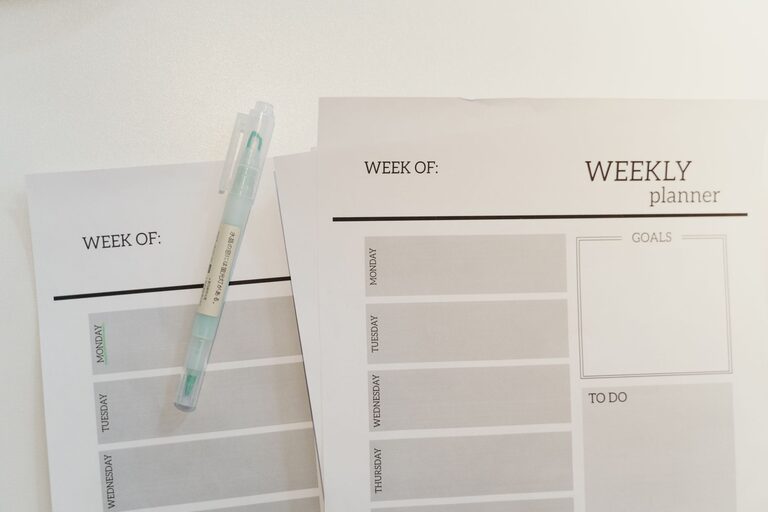
Setting weekly goals is a powerful strategy to make steady progress, whether you’re working on personal projects, career advancement, or improving daily habits. However, goals that are too ambitious or vague can lead to frustration and burnout. The key is to set realistic weekly goals that challenge you without overwhelming you.
In this post, we’ll explore how to create achievable weekly goals, stay motivated, and build momentum week after week.
Why Set Weekly Goals?
Weekly goals provide a manageable timeframe to focus your efforts. Unlike yearly or monthly goals, weekly targets allow you to adjust quickly based on your progress and changing priorities. They help:
– Break larger projects into digestible tasks
– Provide a sense of accomplishment regularly
– Improve time management and focus
– Keep motivation high with clear short-term wins
Steps to Set Realistic Weekly Goals
1. Reflect on Your Bigger Picture
Start by considering your long-term goals or ambitions. What do you want to accomplish in the coming months or year? Weekly goals should be stepping stones toward these larger objectives.
Take time to write down your main goals and then identify smaller tasks or milestones that will lead you there.
2. Assess Your Available Time
Be honest about how much time you realistically can dedicate throughout the week. Consider work hours, family commitments, and personal time.
Setting goals that require more time than you have will set you up for failure. Instead, aim for goals that fit comfortably within your schedule.
3. Prioritize Your Tasks
You might have many things you want to achieve, but not everything is equally important. Choose one to three key goals each week to focus on. Prioritize tasks that will have the biggest impact or move you closest to your big-picture goals.
4. Make Your Goals Specific and Measurable
Vague goals like “exercise more” or “read more books” are hard to track. Instead, define clear objectives such as “walk 30 minutes daily” or “read one chapter of a book each night.”
Specific, measurable goals help you know exactly what success looks like.
5. Break Down Goals into Actionable Steps
If a goal feels too big, break it into smaller tasks. For example, if your goal is to write a report, your weekly steps could be:
– Research topic on Monday and Tuesday
– Create an outline on Wednesday
– Write the first draft on Thursday and Friday
By planning actionable tasks, you reduce overwhelm and increase your chances of completing them.
6. Use a Planner or Digital Tool
Write your weekly goals in a planner, calendar, or a goal-setting app. This keeps your targets visible and accessible. Digital tools can also send reminders to keep you on track.
7. Review and Adjust Weekly
At the end of each week, review your progress. Celebrate completed goals and analyze any you didn’t finish. Reflect on what worked and what obstacles you faced.
Use this insight to adjust your next week’s goals accordingly. Flexibility is essential to maintain momentum.
Tips to Stay Motivated and Accountable
Set Reminders and Alarms
Use your phone or computer to remind you of daily tasks related to your weekly goals.
Share Your Goals
Tell a friend, family member, or colleague about your weekly goals to create accountability.
Reward Yourself
Celebrate successes, even small ones. A reward system can boost motivation to keep going.
Avoid Perfectionism
It’s okay if you don’t complete every goal perfectly. Focus on progress over perfection.
Common Pitfalls and How to Avoid Them
Setting Too Many Goals
Avoid overloading your week. Focus on a few important goals rather than many small ones that scatter your attention.
Ignoring Personal Limits
Don’t underestimate the need for rest and downtime. Balance is key to sustainable productivity.
Not Tracking Progress
Without tracking, it’s easy to lose sight of your progress. Regularly check in with yourself to stay motivated.
Sample Weekly Goal Plan
Goal: Improve physical fitness
– Monday, Wednesday, Friday: 30-minute jog
– Tuesday, Thursday: 15 minutes of stretching and strength exercises
– Saturday: Attend yoga class
– Sunday: Rest and reflect on progress
By clearly defining your actions for each day, you set yourself up for success.
Final Thoughts
Setting realistic weekly goals takes intention and practice. By keeping goals specific, manageable, and connected to your larger aspirations, you create a clear path for progress. Remember to be kind to yourself and stay flexible. Consistent effort over time is what will lead to meaningful achievements.
Start small this week, and watch how achievable goals can build lasting momentum!
Related Post

Simple Routines to Start and End Your Workday Effectively
Discover easy routines to help you begin and wrap up your workday with focus and [...]