
Simple Ways to Reduce Household Paper Clutter
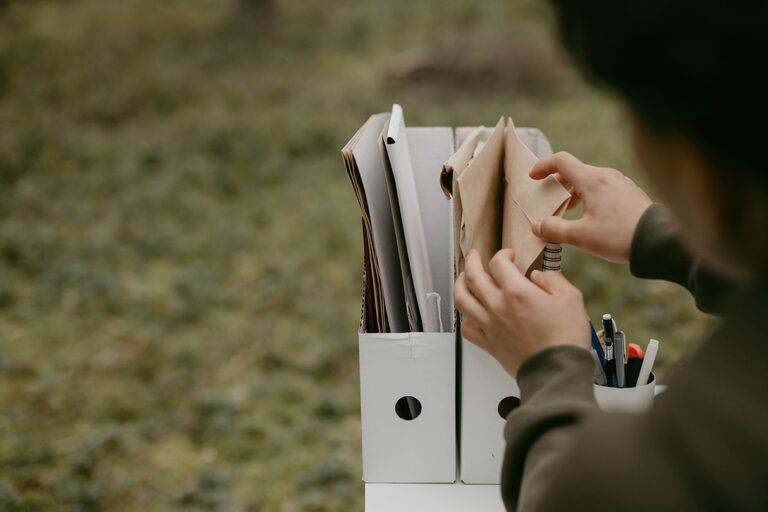
Paper clutter is a common challenge in many households. From mail and receipts to magazines and school papers, piles of paper can quickly overwhelm your living space. Fortunately, reducing paper clutter doesn’t have to be complicated. With a few simple habits and organizational tricks, you can keep your home tidy and stress-free. In this post, we’ll explore practical ways to manage and minimize paper clutter.
Why Reducing Paper Clutter Matters
Excess paper can take up valuable space, make it hard to find important documents, and create a feeling of chaos. Managing paper efficiently saves time, reduces stress, and even improves your home’s overall appearance. By taking control of paper clutter, you create a calmer, more productive environment.
Start with a Paper Sorting System
Set Up Designated Spaces
Create specific spots in your home for different types of paper. For example:
– An inbox tray for incoming mail
– A folder for bills and financial documents
– A bin for recycling junk mail and flyers
Having a designated space for each category helps prevent piles from spreading and makes it easier to process papers regularly.
Sort Regularly
Dedicate time each week to sort through your paper. Go through your inbox, decide what needs attention, and file or discard items accordingly. Consistency is key to preventing build-up.
Go Digital Wherever Possible
Opt for Electronic Statements and Bills
Many service providers offer paperless billing options via email. Switching to electronic statements reduces the amount of physical mail you receive.
Use Apps to Organize Documents
Consider using apps designed for scanning and storing documents digitally. They allow you to keep important papers safely archived without the bulk of physical copies.
Unsubscribe from Unwanted Mail
Reduce junk mail by contacting companies to remove your name from mailing lists or use services that help block unsolicited mail.
Create a Filing System That Works
Keep It Simple
A complicated filing system can become overwhelming. Use clear, broad categories such as “Bills,” “Medical,” “School,” and “Receipts.” Use folders or binders labeled clearly.
Store Important Documents Safely
For critical documents like birth certificates, insurance policies, and tax records, invest in a fireproof safe or a secure filing cabinet.
Purge Regularly
Schedule regular times, such as every six months, to review your files and discard any papers that are no longer needed, such as outdated receipts or old statements.
Manage Incoming Paper Efficiently
Designate a Mail Station
Set up a small area near your home’s entrance to handle mail immediately. Sort mail as soon as it comes in: recycle junk mail, file bills to pay, and set aside documents that need action.
Use a “To Do” Folder
Create a folder or tray labeled “To Do” for papers that require immediate attention. This will help you keep track of important tasks without letting papers pile up.
Minimize Paper Use in Your Daily Life
Print Only When Necessary
Before printing, ask yourself if a physical copy is truly needed. Often, digital versions suffice and reduce clutter.
Take Notes Digitally
Use smartphone apps or tablets for notes, grocery lists, and reminders instead of paper notebooks or sticky notes.
Encourage Paper-Free Communication
When possible, opt for emails, texts, or messaging apps to communicate instead of printed documents or notes.
Recycle and Repurpose Paper
Recycle Promptly
Keep a recycling bin accessible to dispose of unwanted paper right away.
Repurpose Paper
Use scrap paper for notes, lists, or crafts to extend the life of paper before recycling.
Involve the Whole Family
Set Household Rules
Encourage everyone in your home to follow simple paper management habits, such as sorting mail or avoiding unnecessary printing.
Teach Kids to Organize
Help children learn to organize their school papers regularly by creating labeled folders or using a scrapbook.
Conclusion
Reducing household paper clutter doesn’t require a total lifestyle overhaul. By implementing easy habits like sorting paper regularly, going digital, and creating a simple filing system, you can keep paper clutter under control. These small changes add up to a more organized, peaceful home — and a refreshing sense of order in your daily life. Start today and enjoy the benefits of a clutter-free space!
Related Post

How to Choose a Notebook You’ll Actually Use Every Day
Discover practical tips to pick a notebook that fits your style, needs, and budget, helping [...]
Effective Tips for Organizing Files on Your Computer
Keep your digital workspace tidy and efficient with these practical tips for organizing files on [...]