
How to Choose a Notebook You’ll Actually Use Every Day
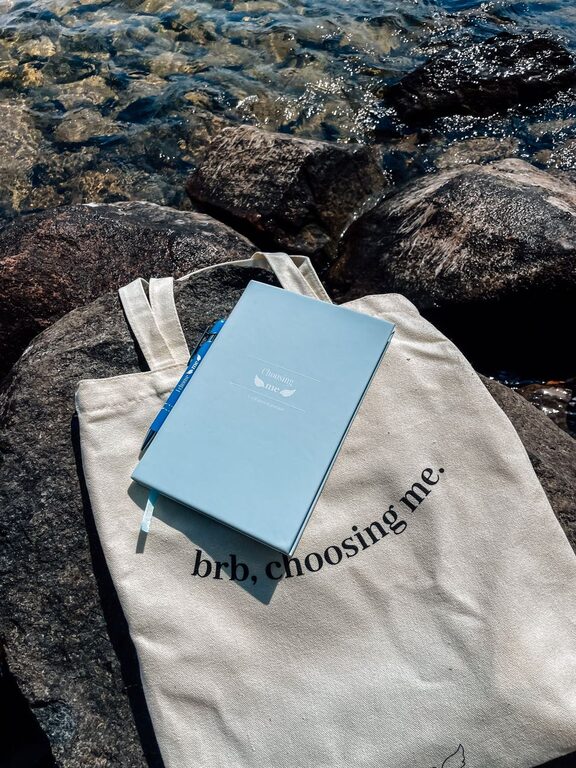
Choosing the right notebook can make a significant difference in how often you use it and how productive you feel. Whether you want a journal, a planner, or a simple place to jot down ideas, the key is finding one that matches your preferences and habits. In this guide, we’ll explore how to pick a notebook you’ll actually use, so your writing and planning feel enjoyable, not like a chore.
Why Choosing the Right Notebook Matters
Many people start with enthusiasm but abandon notebooks because they don’t suit their needs. The wrong notebook can feel bulky, uninspiring, or impractical. On the other hand, the right one can boost your creativity, help you stay organized, and even reduce stress. Before you buy, think about how you plan to use your notebook and what features will keep you engaged.
Consider Your Purpose
Daily Journaling or Note-taking?
– Journaling: If you want to write your thoughts, a notebook with smooth paper and enough space per page works best. You might prefer lined pages or dotted grids for flexible layouts.
– Note-taking: For school or meetings, consider notebooks with sections or tabs. Spiral bindings make it easier to flip pages, and perforated sheets allow for easy removal.
Planning and Organizing
If your notebook is meant for planning, look for notebooks with calendars, to-do lists, or habit trackers. Bullet journals offer flexibility, allowing you to design your own layout but require more effort to set up.
Choose the Right Size
Notebooks come in various sizes, and size affects portability and usability:
– Pocket-sized (A6 or smaller): Great for quick notes and on-the-go use but limited space.
– Medium-sized (A5): The most popular size—balance between portability and writing space.
– Large (A4 or letter size): Ideal for extensive note-taking or drawings, but less portable.
Think about where you’ll carry your notebook and how much you typically write in one sitting.
Paper Quality and Type
Paper quality can influence how enjoyable writing is:
– Weight: Thicker paper (higher gsm) prevents ink from bleeding through.
– Texture: Smooth paper feels different than textured; try a few to see what you like.
– Color: White paper is standard, but cream or off-white can be easier on the eyes.
If you use fountain pens or markers, make sure the notebook supports those inks without bleeding.
Binding and Cover Style
Binding Options
– Spiral-bound: Lies flat and allows easy page turning; good for note-taking.
– Perfect-bound: Looks like a book, but may not lie flat.
– Hardcover: Durable and protects pages, ideal for frequent use.
– Softcover: Lightweight and flexible but less durable.
Cover Material
Covers range from plastic and leather to cardboard or fabric. A sturdy, attractive cover can motivate you to carry your notebook everywhere.
Layout and Design Preferences
– Lined: Best for writing text neatly.
– Dotted: Popular for bullet journaling and sketching.
– Grid: Good for graphs, charts, or technical notes.
– Blank: Ideal for drawing or freeform writing.
Choose a layout that suits your style.
Additional Features to Look For
– Page numbers: Helpful for referencing and indexing.
– Index or table of contents: Makes organizing easier.
– Elastic closure: Keeps your notebook securely closed.
– Ribbon bookmark: Helps you mark your place.
– Pocket folder: Convenient for holding receipts, notes, or stickers.
Budget Considerations
Notebooks vary greatly in price. While quality often correlates with cost, there are many affordable options that offer excellent features. Consider how important durability and special features are, and find a notebook that fits your budget.
Tips to Stay Motivated to Use Your Notebook
– Personalize your notebook with stickers, drawings, or notes.
– Set a regular time each day to write or plan.
– Use colorful pens or markers to make writing more fun.
– Review your notes frequently to stay engaged.
Try Before You Commit
If possible, try writing on sample pages in stores or buy a smaller notebook first. You’ll get a better feel for the paper and layout, helping you make a more confident choice.
Conclusion
Choosing a notebook you’ll actually use involves thinking about how you want to write, the environment you’ll carry it in, and the features that keep you motivated. By focusing on purpose, size, paper quality, binding, and design, you can find a notebook that feels just right—and make writing or organizing a pleasure rather than a task. Happy journaling!
Related Post
Simple Ways to Reduce Household Paper Clutter
Discover easy and effective strategies to minimize paper clutter in your home and create a [...]
Effective Tips for Organizing Files on Your Computer
Keep your digital workspace tidy and efficient with these practical tips for organizing files on [...]